
A LIKELY STORY
Welcome to our bookshop
NEW BOOK RELEASE: SEPTEMBER, 2025
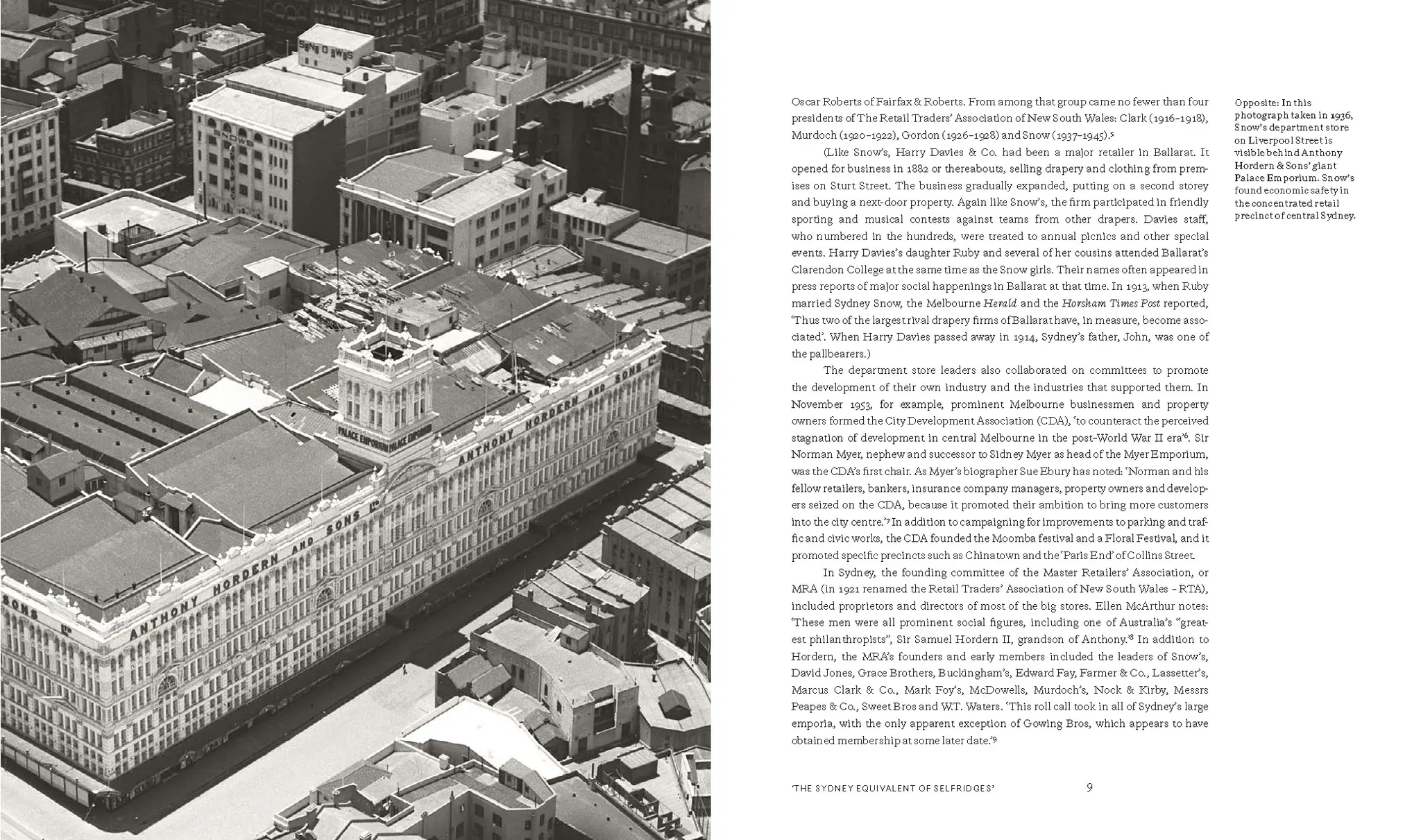
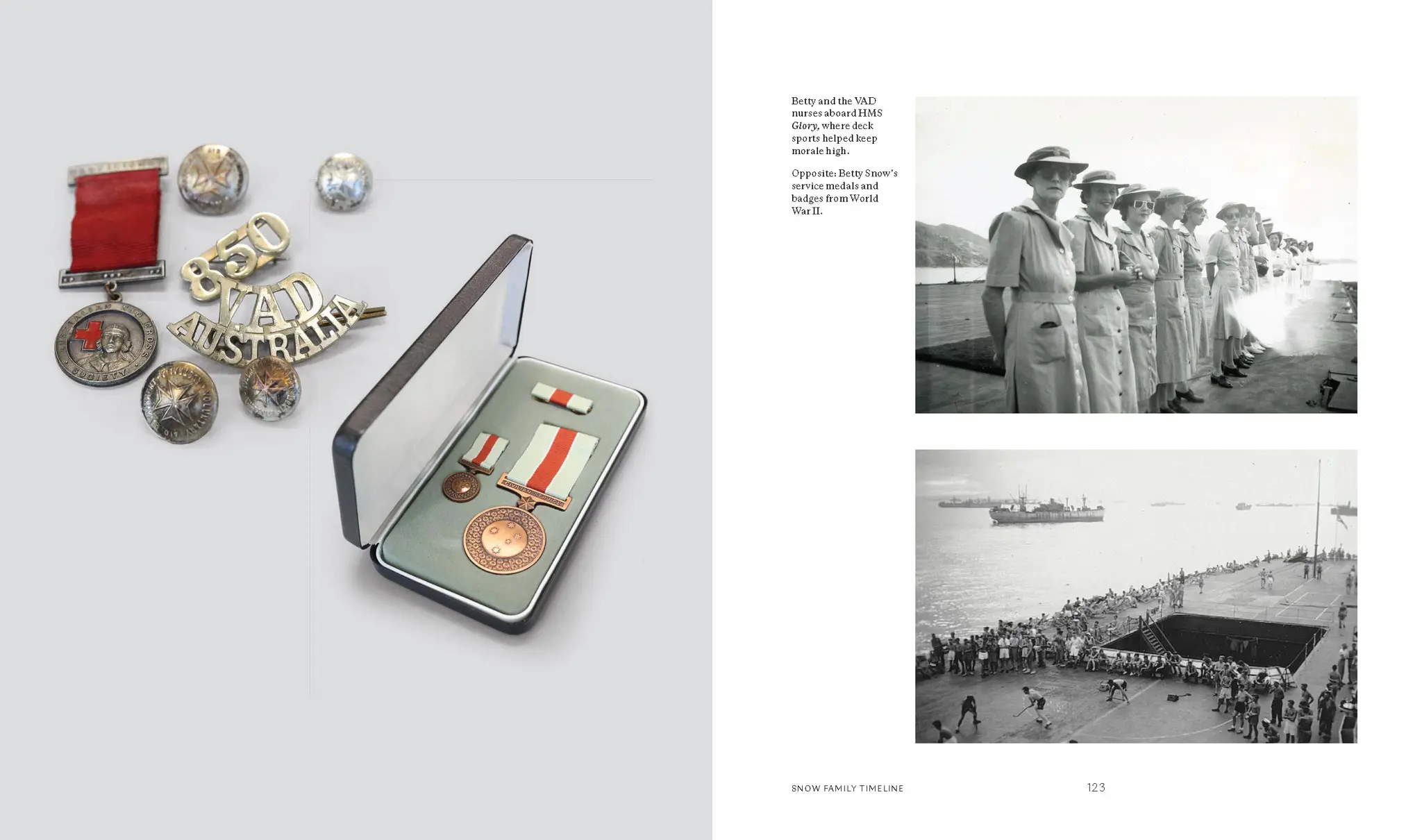
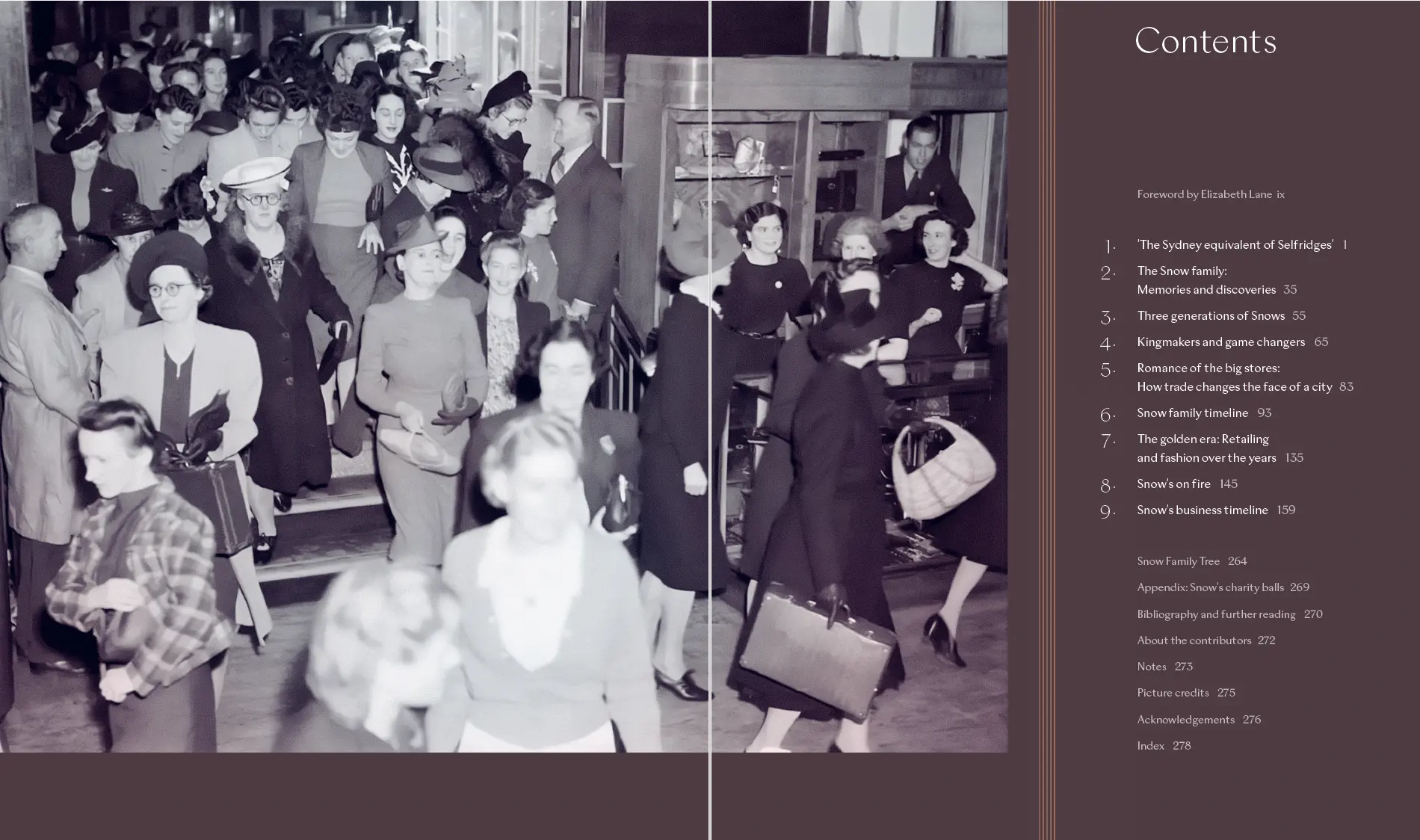
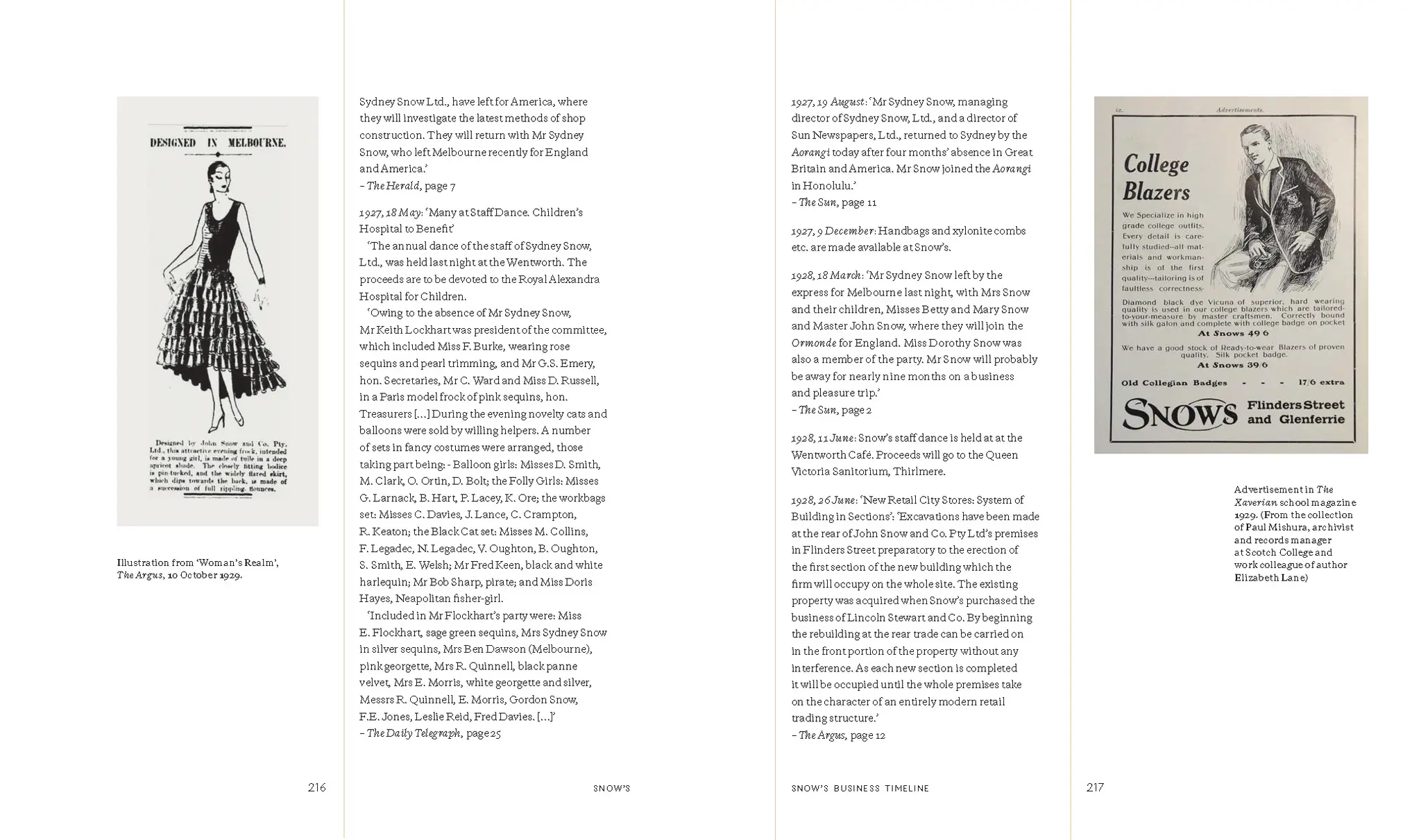
Snow’s and the Golden Age of Australian Retail
Snow’s and the Golden Age of Australian Retail, published by Hardie Grant, is available for sale at all good book stores, and for lending via public libraries throughout Australia.
Signed and personalised copies available exclusively from our website!
We would love to offer you a customised copy of Snow’s. At the checkout page, please include what you would like (signed, personalised, inscribed). Please email us with any questions or to confirm details.
Find out more about Snow’s below…


In stock
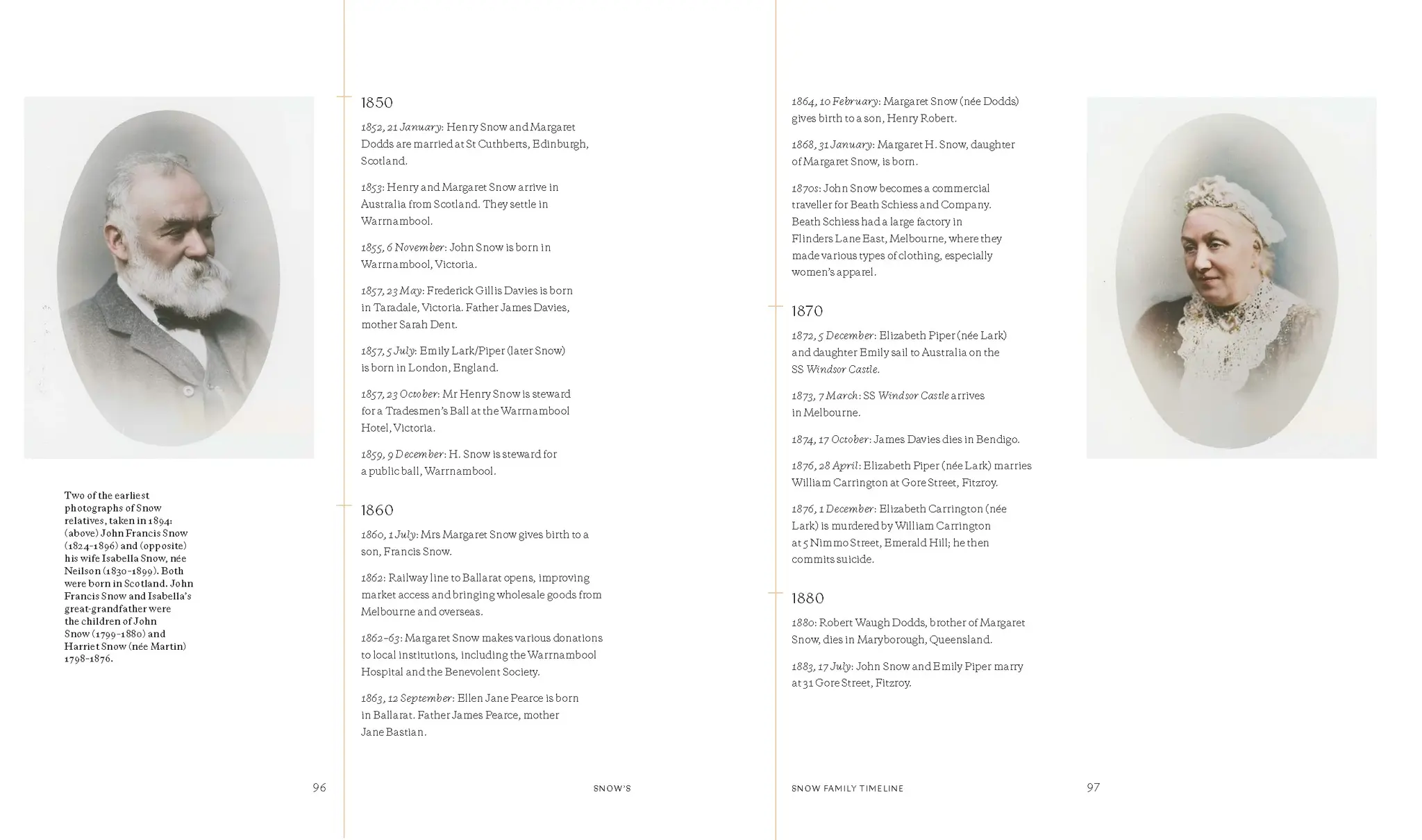
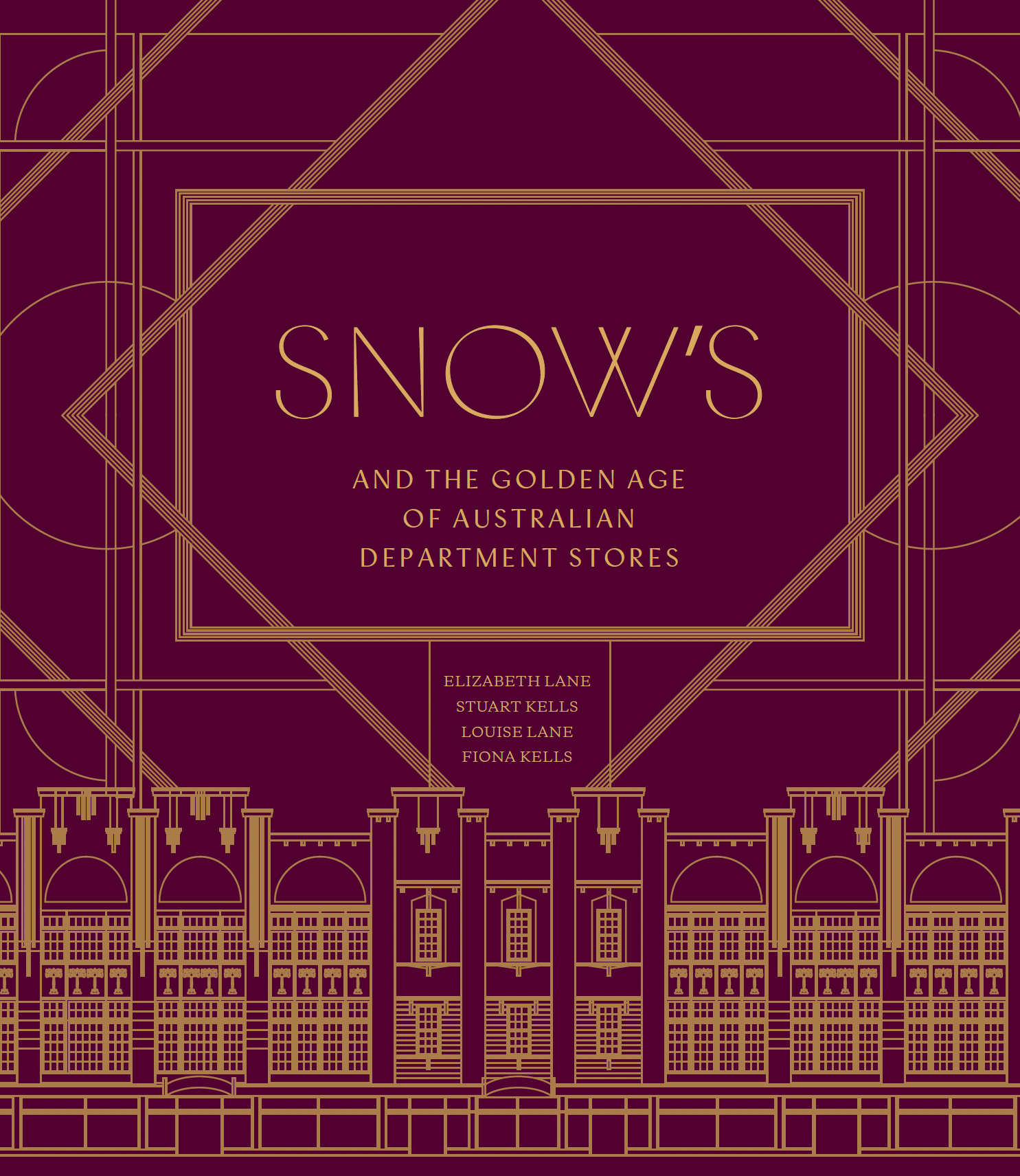
Snow’s and the Golden Age of Australian Department Stores
Around the world, the big department stores of the 1920s to the 1950s wielded great power in dictating national tastes and fashions; a visit to any of these stores was an event in itself and an important social outing.
In Australia, Snow’s department store was a household name. Its leaders and their families could be seen as a commercial aristocracy who socialised together, holidayed together, and collectively shaped business and industry. They were pioneers not just in retailing but in politics and other spheres – such as manufacturing, advertising, banking, heavy industry, horse racing and education. Their weddings, parties and business deals were closely watched and widely reported in the press.
Ballarat-born Sydney Snow, the eponymous founder of Snow’s, headed a retail and commercial dynasty that extended throughout Australia and maintained strong trade connections with Britain and Continental Europe.
Sir Sydney’s youngest daughter, Elizabeth (Betty), married Richard Lane, one of the three brothers who founded the publishing house Penguin Books, thus entwining two families with a significant place in Australian cultural history. The story of Snow’s is evocatively told here by Sir Sydney’s granddaughter Elizabeth Lane and historian Stuart Kells in collaboration with Elizabeth’s daughter Louise Lane and art historian Fiona Kells. Lavishly illustrated with photographs from family and public archives, this beautifully designed publication is a proud tribute to the golden age of Australian department stores.
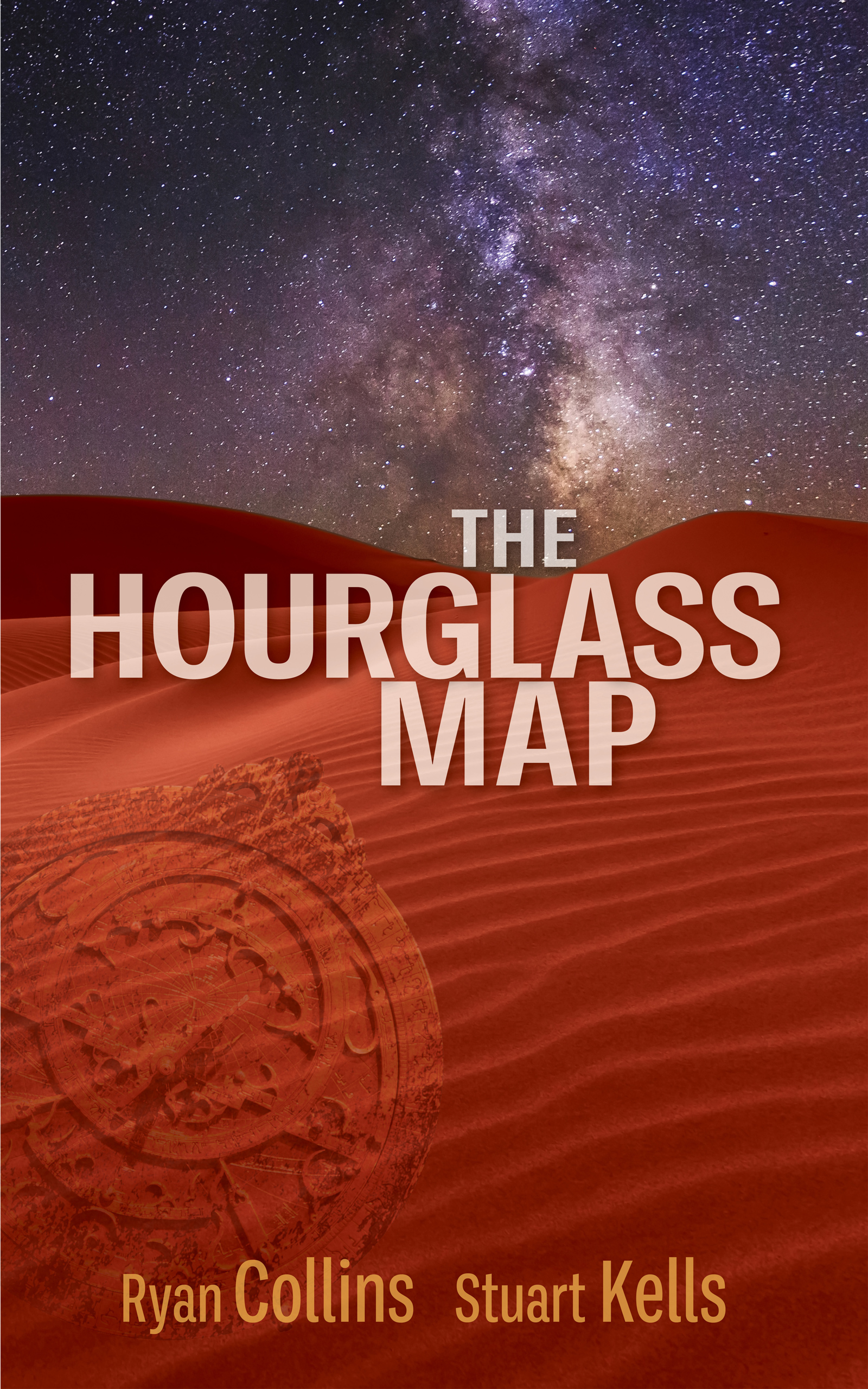
The Hourglass Map
Australia’s modern history has long been full of mystery, legend and myth.
But what if all the myths are true?
The Hourglass Map is a captivating story of adventure, world-making and contested history.
It is a story of unlikely friendships and remarkable journeys.
And it is a story about the unique nature of stories and the transformative power of words.
In an alternative Australia, the Theory of Everything reigns supreme.
The world’s greatest minds have built the Consistency Engine – a marvellous, fractal machine – as the physical embodiment of the Theory. The Engine stores all knowledge and purges it of contradictions.
Deviations from the official view of history are forbidden.
But some people maintain the old beliefs: stories and superstitions that are whispered over cups of Earl Grey tea and slices of lemon-butter bread.
Mary Page has always believed the old legends – the Inland Sea, the Mahogany Ship, Lasseter’s Reef. She journeys to the centre of the continent to prove she is right, and the Theory is wrong. But the expedition is a disaster. Mary and her party disappear in the central desert.
Mary’s son, Will, vows to find out what happened to his mother. Pursued by officials and assassins, Will follows his mother’s tracks to the heart of the continent. He finds a place where fantasy and reality meet, and where the truth depends on who controls the story.
In stock
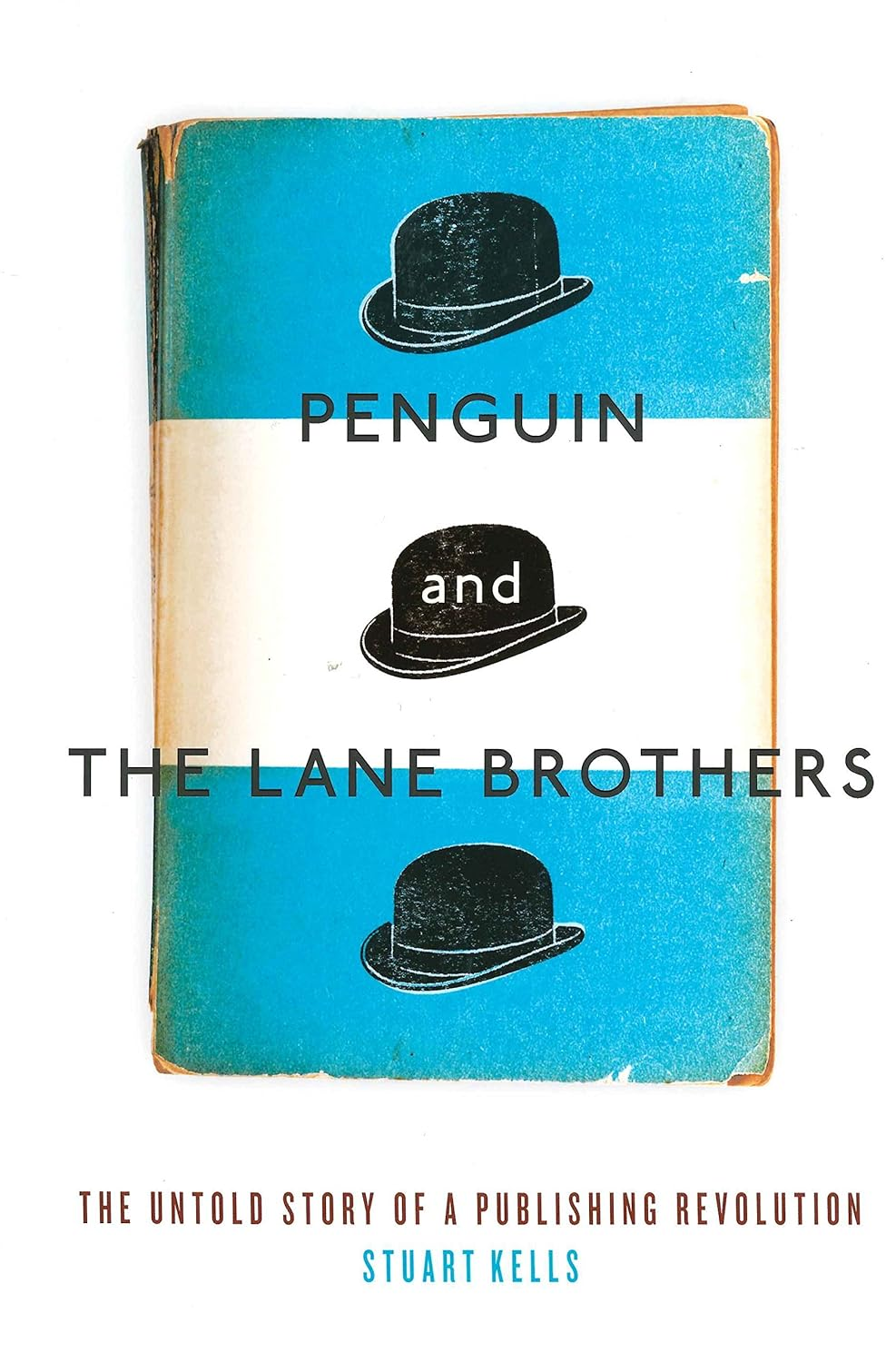
Penguin and The Lane Brothers: The Untold Story of a Publishing Revolution
An intimate partnership of three brothers – Allen, Richard and John Lane – lay at the heart of Penguin Books, the twentieth century’s greatest publishing house. In a spirit of daring and creative opposition, the brothers issued quality books on a massive scale and at minuscule prices – and achieved a revolution in publishing.
The Lane boys did their best thinking together in bathroom board meetings, where at least one director would always be ‘mother naked’. They innovated in countless ways – in the early years, a church crypt served as their office and warehouse. Penguin was an unconventional upstart, bringing literary giants such as Agatha Christie, George Bernard Shaw, Virginia Woolf and Graham Greene to vast new audiences, and it seemed unstoppable.
Yet the 1942 death of John Lane brought the troika to a halt. Allen, the enthusiastic frontman who relied on his younger brothers to drive Penguin’s success, became more erratic and suspicious over time. Ultimately, he would force Richard out of the company he had cofounded and built.
A portrait of a remarkable family and a publishing powerhouse, Penguin and the Lane Brothers also explores the little known story of Richard Lane – the heart and backbone of Penguin, and its strongest influence. Richard’s experiences as a youth in Australia shaped his character and outlook; his dedication to the business was matched only by his devotion to his brothers.
Relying on unprecedented access to Lane family sources, including Richard’s diaries, Penguin and the Lane Brothers sheds new light on the relationship of Allen, Richard and John, so crucial as a driver of Penguin’s spirit and success. By turns hilarious and tragic, moving and insightful, this is a groundbreaking counter – history of an unlikely publishing triumph.
In stock
In stock
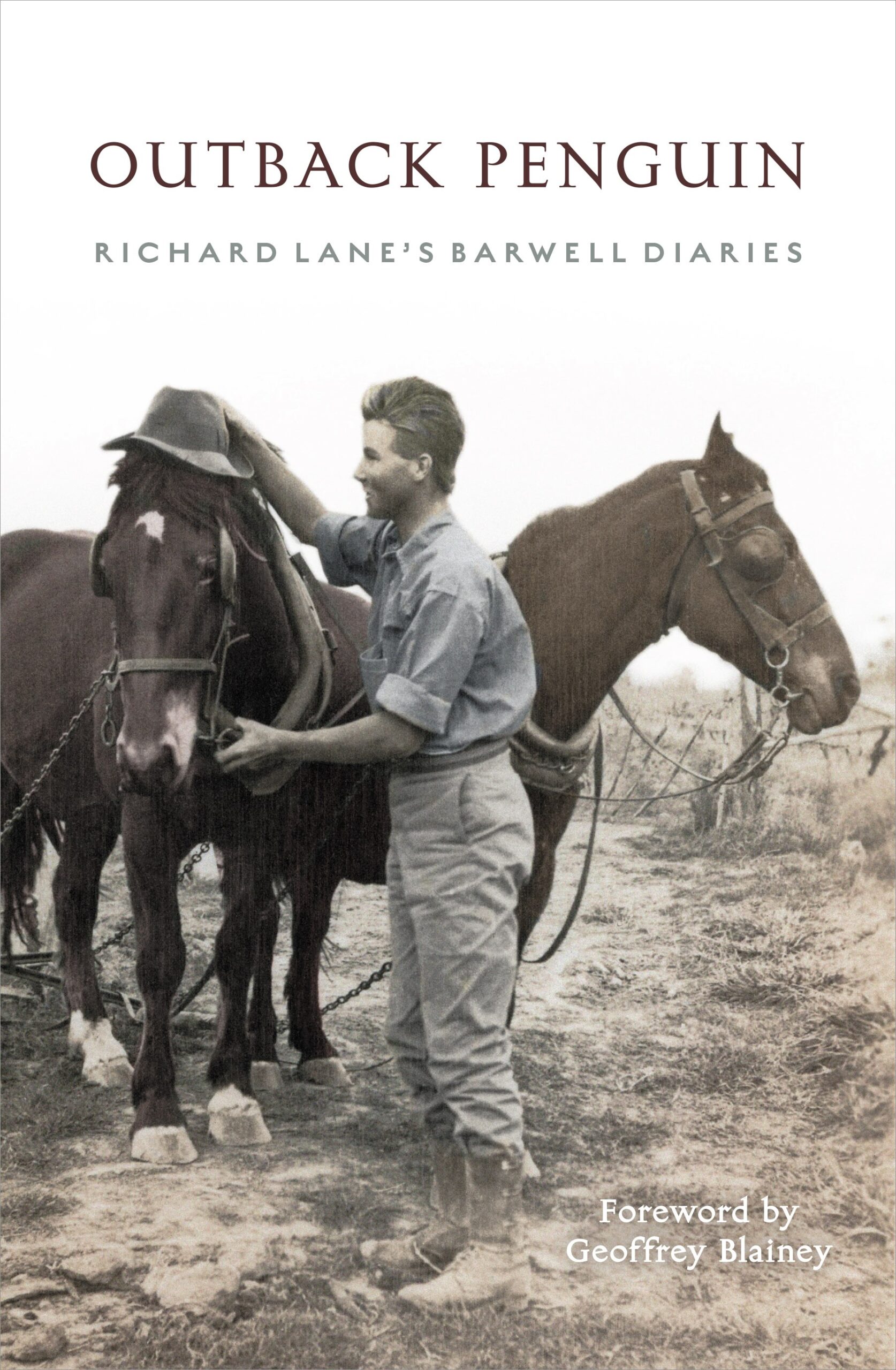
Outback Penguin: Richard Lane’s Barwell Diaries
Richard Lane was one of three brothers who founded Penguin Books in 1935. But like all great stories, his life didn’t start there.
After sailing to Adelaide in 1922, Richard began work as a boy migrant – a farm apprentice living in rural South Australia as part of the ‘Barwell Boys’ scheme.
In Australia, he deepened his appreciation for literature, and understood how important it was to make good writing widely accessible.
Richard’s diaries – the honest and moving words of a teenager, so very far away from home – capture vividly his life and loves; the characters he met; the land he worked; the families he depended on; and his coming of age in a new land.
A remarkable social record and one of the best first-hand accounts of the child migrant experience, the diaries also capture the ideas and the entrepreneurship that led to the founding of the twentieth century’s most famous publishing house.
With a foreword by eminent Australian historian Geoffrey Blainey, Richard Lane’s diaries are an important document for the history of rural Australia and global publishing.